How To Keep Your Plants Standing Tall With Plant Stakes
Introduction
A healthy, thriving plant is a beautiful sight to behold. But what happens when your plants start to droop or lean? This can be caused by a number of factors, including strong winds, heavy rains, or simply the weight of the plant's own leaves and flowers. If you're looking to keep your plants standing tall and proud, plant stakes are a great solution.
What are plant stakes?
Plant stakes are a type of support that can be used to keep plants upright. They come in a variety of materials, including wood, bamboo, plastic, and metal. Plant stakes are typically inserted into the ground near the plant's stem, and then the plant is tied to the stake with a soft, flexible material such as twine or garden tape.
Why use plant stakes?
There are a number of reasons why you might want to use plant stakes for your plants. First, plant stakes can help to prevent plants from toppling over in strong winds or heavy rains. Second, plant stakes can help to support the weight of large, heavy plants. Third, plant stakes can help to train plants to grow in a certain direction. For example, you can use plant stakes to train a tomato plant to grow up a trellis.
How to choose plant stakes
When choosing plant stakes, there are a few factors to keep in mind. First, you need to consider the size of your plant. If you have a large, heavy plant, you'll need a sturdy stake that can support the weight. Second, you need to consider the material of the stake. Some materials, such as wood, are more durable than others. Third, you need to consider the appearance of the stake. If you're staking a plant in a decorative container, you'll want to choose a stake that matches the look of the container.
How to use plant stakes
To use plant stakes, simply insert the stake into the ground near the plant's stem. The stake should be inserted at least 6 inches into the ground. Then, tie the plant to the stake with a soft, flexible material. Be sure to tie the plant loosely so that it doesn't get damaged.
Conclusion
Plant stakes are a simple and effective way to keep your plants standing tall and proud. By following the tips in this blog post, you can choose the right plant stakes for your plants and use them to keep your plants healthy and thriving.
If you're looking for more information about plant stakes, I recommend visiting Garden Wiki. This website has a wealth of information on the different types of plant stakes available, as well as how to choose the right stake for your plants. You can also find tips on how to properly plant and stake your plants, so that they can grow strong and healthy.
FAQ of plant stakes
Frequently Asked Questions about Plant Stakes
What are plant stakes?
Plant stakes are supports that are used to keep plants upright. They can be made from a variety of materials, including wood, metal, and plastic. Stakes are typically used for plants that are tall and/or have heavy foliage, such as tomatoes, sunflowers, and delphiniums.
Why do plants need stakes?
There are a few reasons why plants may need stakes. First, stakes can help to prevent plants from toppling over in strong winds. Second, stakes can help to support the weight of heavy foliage, which can help to prevent the stems from breaking. Third, stakes can help to keep plants upright so that they can receive sunlight and water more evenly.
What are the different types of plant stakes?
There are a variety of different types of plant stakes available, including:
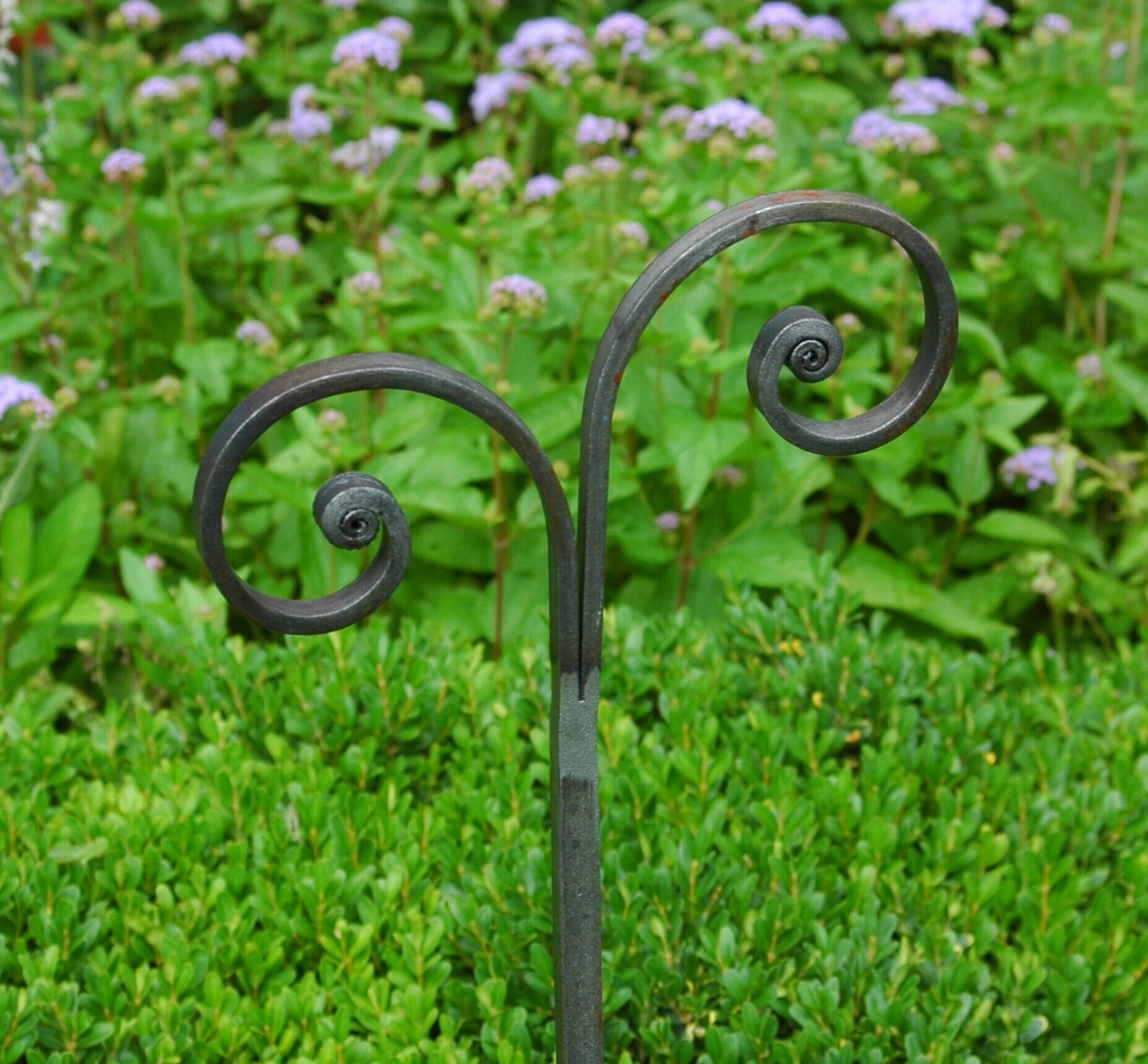
- Wooden stakes: Wooden stakes are a popular choice because they are relatively inexpensive and easy to find. However, they can rot over time, so they may need to be replaced periodically.
- Metal stakes: Metal stakes are more durable than wooden stakes and are less likely to rot. However, they can be more expensive.
- Plastic stakes: Plastic stakes are lightweight and easy to use. They are also less likely to rot than wooden stakes. However, they may not be as durable as metal stakes.
How do you choose the right plant stake?
When choosing a plant stake, there are a few factors to consider, including:
- The size of the plant: The stake should be tall enough to support the plant's height and foliage.
- The weight of the plant: The stake should be strong enough to support the plant's weight.
- The type of plant: Some plants, such as tomatoes, need stakes that are sturdy enough to withstand strong winds.
- The material of the stake: The material of the stake should be weather-resistant and durable.
How do you stake a plant?
To stake a plant, you will need a stake, some plant ties, and a hammer. First, hammer the stake into the ground about 6 inches away from the plant. Then, tie the plant to the stake with the plant ties. Be sure to tie the plant loosely so that it has room to grow.
When should you stake a plant?
You should stake a plant when it is young and still growing. This will help to prevent the plant from toppling over as it gets taller.
How often do you need to stake a plant?
You may need to stake a plant more than once, especially if it is growing quickly. If the plant is getting too heavy for the stake, you may need to replace the stake with a taller or stronger one.
Image of plant stakes
10 different images of plant stakes that are free to use:
- Wooden stakes: These are the most common type of plant stake. They are made from wood and come in a variety of sizes.
- Metal stakes: These are more durable than wooden stakes and are often used for larger plants.
- Plastic stakes: These are lightweight and easy to use. They are often used for small plants or seedlings.

- T-stakes: These are shaped like a T and are often used for tomatoes.

- Ribbon stakes: These are made from ribbon and are often used for flowers.
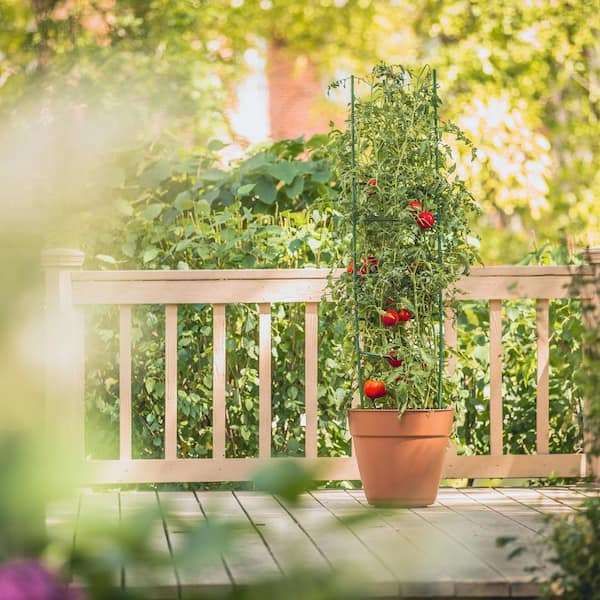
- Y-stakes: These are shaped like a Y and are often used for beans.

- Coil stakes: These are made from coil wire and are often used for tall plants.
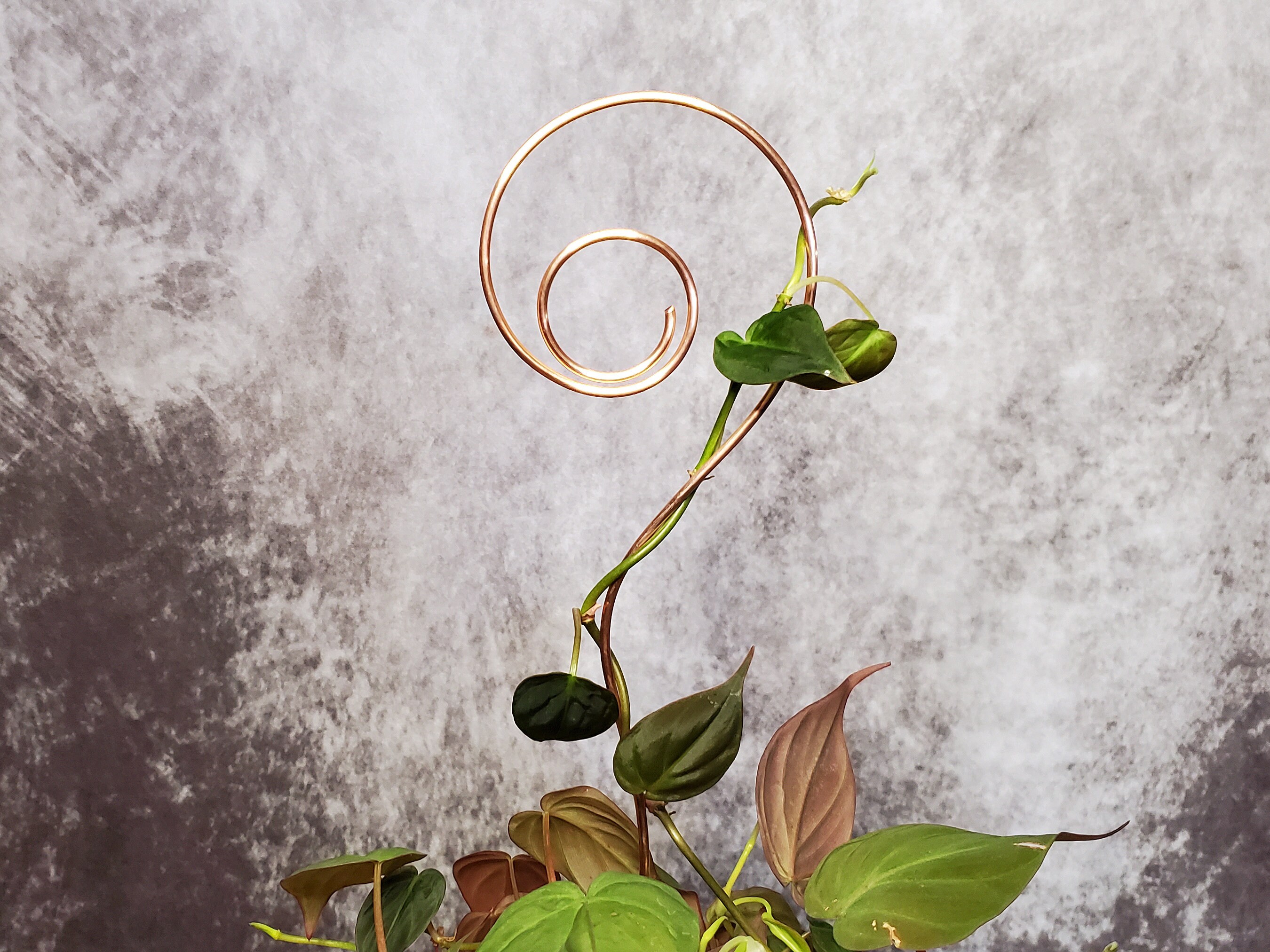
- Netting: This is a type of plant support that is made from netting. It is often used for tomatoes or cucumbers.
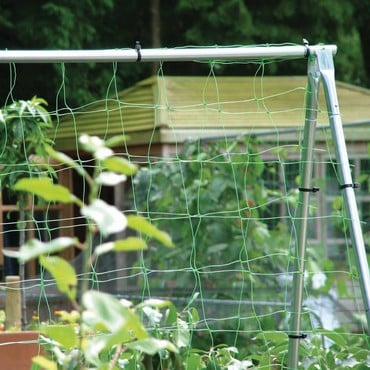
- Guy wires: These are wires that are used to support tall plants. They are often attached to stakes or other objects.
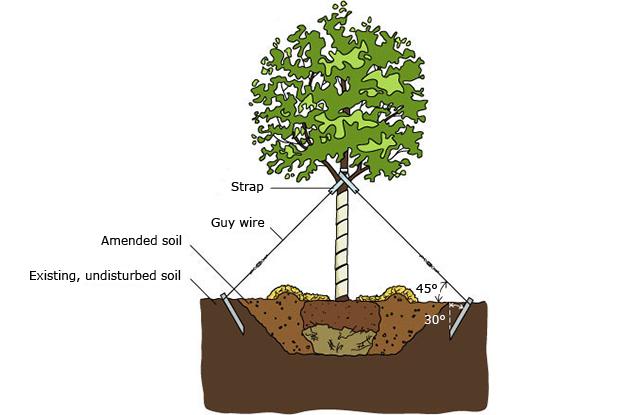
- Plant ties: These are used to tie plants to stakes or other objects. They are often made from soft materials, such as cloth or plastic.


Post a Comment for "How To Keep Your Plants Standing Tall With Plant Stakes"