Herbs That Grow Well Together
Herbs That Grow Well Together
Growing herbs together can be a great way to save space in your garden, attract beneficial insects, and improve the flavor of your food. When choosing herbs to plant together, there are a few things to keep in mind:
- Sun exposure: Most herbs need full sun, but some, such as mint and parsley, can tolerate partial shade.
- Water needs: Some herbs, such as basil and cilantro, need moist soil, while others, such as rosemary and thyme, prefer drier conditions.
- Growing habits: Some herbs, such as mint and oregano, can be invasive and spread quickly. If you're planting them in a garden bed, it's a good idea to contain them in a pot or raised bed.
Here are some of the best herbs to grow together:
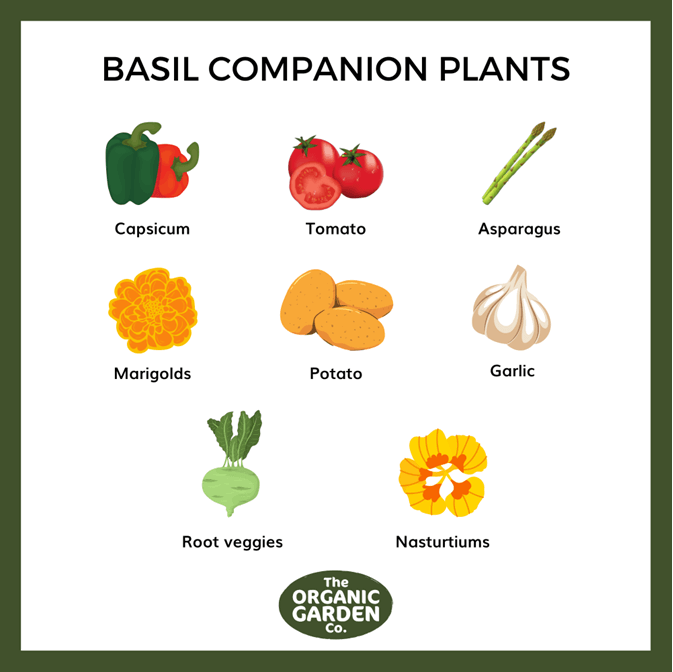
- Basil and tomatoes: Basil and tomatoes are a classic combination that's known to improve the flavor of both plants. Basil helps to repel tomato hornworms, and tomatoes provide support for basil plants.
- Chives and roses: Chives help to repel aphids, spider mites, and other pests that can damage roses. They also add a touch of color and flavor to rose beds.

- Cilantro and carrots: Cilantro helps to repel carrot flies, which can damage carrots. The two plants also have similar growing requirements, so they can be planted together in the same garden bed.

- Dill and fennel: Dill and fennel are both members of the carrot family and have similar growing requirements. They also attract beneficial insects, such as ladybugs and hoverflies, which help to control pests.
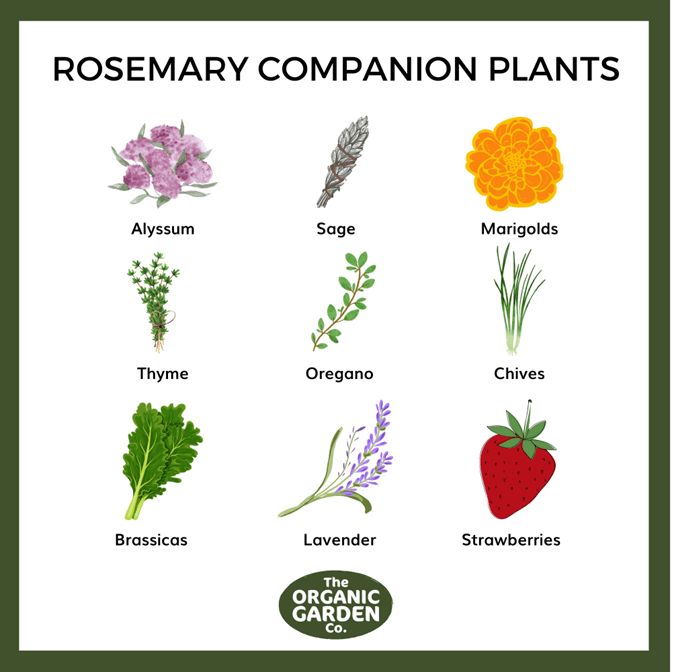
- Lavender and rosemary: Lavender and rosemary are both Mediterranean herbs that are drought-tolerant and can thrive in full sun. They also make attractive additions to any garden.

- Marjoram and oregano: Marjoram and oregano are both members of the mint family and have similar flavors. They can be planted together in the same garden bed or in a container.

- Parsley and thyme: Parsley and thyme are both biennial herbs that can be grown from seed or transplanted. They have similar growing requirements and can be planted together in the same garden bed or container.


These are just a few of the many herbs that grow well together. When choosing herbs to plant together, it's a good idea to do some research to find out which ones have similar growing requirements and can benefit each other.
Conclusion
Growing herbs together can be a rewarding experience. It's a great way to save space, attract beneficial insects, and improve the flavor of your food. By following a few simple tips, you can create a thriving herb garden that will provide you with fresh herbs all season long.
Do you love to cook with fresh herbs? If so, you'll want to learn about companion planting herbs. Companion planting is a gardening technique that involves planting certain types of plants together for mutual benefit. When it comes to herbs, there are many different combinations that can work well together.
For example, basil is a great companion plant for tomatoes. Basil helps to repel pests that can damage tomatoes, such as aphids and whiteflies. It also helps to improve the flavor of tomatoes. Another good companion plant for tomatoes is chives. Chives help to repel pests such as cabbageworms and carrot flies.
If you're interested in learning more about companion planting herbs, I recommend visiting Gardenia Inspiration. This website has a comprehensive guide to companion planting, including information on which herbs grow well together and what benefits they can provide each other.
FAQ of co planting herbs
- What are the benefits of co-planting herbs?
There are many benefits to co-planting herbs. Some of the most common benefits include:
- Attracting beneficial insects: Certain herbs attract beneficial insects, such as ladybugs, hoverflies, and wasps, which help to control pests in the garden. For example, basil attracts ladybugs, which are a natural predator of aphids.
- Reducing the need for pesticides: By planting herbs that repel pests, you can reduce the need for pesticides in your garden. For example, mint repels mosquitoes and flies, and rosemary repels cabbage moths.
- Improving the flavor of vegetables: Some herbs can improve the flavor of vegetables when they are grown together. For example, basil is often planted with tomatoes to enhance their flavor.
- Providing companionship: Herbs can provide companionship for each other, which can help them to thrive. For example, chives can help to deter pests from neighboring plants.
- Saving space: By co-planting herbs, you can save space in your garden. For example, you can plant several herbs together in a single pot or planter.
- What are some good herbs to co-plant together?
There are many good herbs to co-plant together. Some of the most popular combinations include:
- Basil and tomatoes: Basil enhances the flavor of tomatoes, and tomatoes provide support for basil.
- Chives and carrots: Chives repel carrot flies, and carrots help to improve the flavor of chives.
- Cilantro and beans: Cilantro attracts beneficial insects that help to control pests that attack beans.
- Lavender and roses: Lavender deters pests from roses, and roses provide support for lavender.
- Mint and strawberries: Mint repels pests from strawberries, and strawberries help to improve the flavor of mint.
- What are some herbs that should not be planted together?
Some herbs should not be planted together because they can compete for resources or inhibit each other's growth. Some of the most common herbs that should not be planted together include:
- Basil and rue: Basil and rue produce volatile oils that can inhibit each other's growth.
- Fennel and carrots: Fennel can change the flavor of carrots.
- Mint and other herbs: Mint is a very aggressive plant and can quickly take over a garden bed. It is best to plant mint in its own container or in a separate area of the garden.
- Rosemary and sage: Rosemary and sage produce volatile oils that can inhibit each other's growth.
- Thyme and oregano: Thyme and oregano produce volatile oils that can inhibit each other's growth.
- How far apart should herbs be planted?
The distance at which herbs should be planted apart depends on the size of the herb and the space you have available. Generally speaking, you should space herbs at least 12 inches apart, but some herbs may need more space. For example, large herbs like rosemary and sage should be spaced at least 24 inches apart.
- What are some tips for companion planting herbs?
Here are some tips for companion planting herbs:
- Do your research: Before you start co-planting herbs, do some research to learn which herbs are compatible with each other. There are many resources available online and in libraries that can help you with this.
- Consider the size of the herbs: When choosing herbs to co-plant, consider the size of the mature plants. Some herbs, such as rosemary and sage, can grow quite large, so you'll need to give them plenty of space.
- Pay attention to the sun and water requirements: Herbs have different sun and water requirements, so it's important to plant them in an area that meets their needs. For example, basil and mint need full sun, while parsley and cilantro prefer partial shade.
- Monitor the plants: Once you've planted your herbs, keep an eye on them to make sure they're healthy and thriving. If you notice any problems, such as pests or diseases, take steps to address them immediately.
Image of co planting herbs
- Basil and tomatoes: Basil and tomatoes are a classic combination that is both attractive and beneficial. Basil helps to deter pests from tomatoes, while tomatoes provide the nutrients that basil needs to thrive.
- Chives and carrots: Chives and carrots are another great pairing. Chives help to repel carrot flies, while carrots provide the chives with the shade they need to prevent them from bolting.
- Mint and strawberries: Mint and strawberries are a flavorful combination that can also help to keep pests away from each other. The mint's strong scent deters insects, while the strawberries' height helps to keep the mint's roots in check.
- Oregano and thyme: Oregano and thyme are both Mediterranean herbs that thrive in full sun and well-drained soil. They can be planted together in a pot or in the ground, and they will help to attract beneficial insects to your garden.
- Rosemary and lavender: Rosemary and lavender are both drought-tolerant herbs that can add a touch of elegance to any garden. They can be planted together in a pot or in the ground, and they will help to deter pests and attract beneficial insects.
Post a Comment for " Herbs That Grow Well Together"